Karo Sambhav collaborates with leading organisations to jointly develop industry frameworks, standards, governance mechanisms, systems and processes that advance the transition to circular economy. know more about our alliances.

Close x

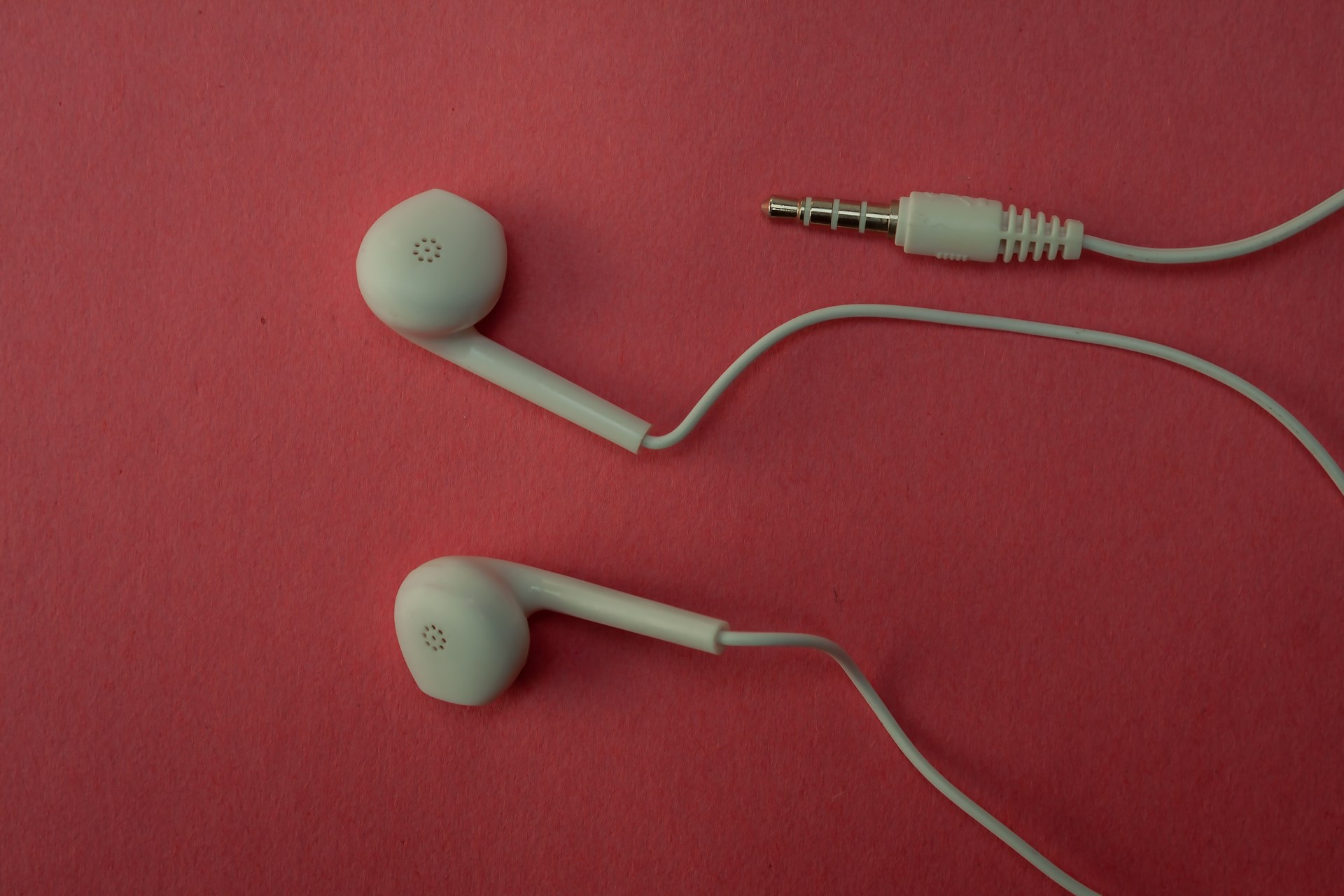
A pair of earbuds, a rechargeable neck fan, a string of Diwali LED lights, or even cheaper smartwatches - few people think of these as e-waste because they are cheap, bought easily and replaced without much thought. They sit in bags, drawers and suitcases largely unnoticed, and they are also among the fastest-growing product streams in electronics.
International E-Waste Day 2026, held on 14 October, took fast tech as its theme. WEEE Forum describes it as the expanding universe of low-cost electrical and electronic items that consumers often buy without a second thought. A 2023 study by Material Focus in the UK found that over half a billion small fast tech electricals were bought in a year, around 16 every second (as reported by WEEE Forum). A simple search on retail platforms however, shows how many brands now sell these items, from Bluetooth neckbands and earbuds to rechargeable fans, LED fairy lights, hair trimmers and ring lights.
At Karo Sambhav’s International E-Waste Day session, Pascal Leroy, Director General of WEEE Forum, shared the findings of a survey of more than 10,000 people across 12 EU member states. These products were present in almost 90% of households surveyed, but only one in three people took them to an official collection, reuse or recycling point. The rest keep them in a drawer, return them to the wrong place or discard them with general waste.
Pranshu Singhal, Founder of Karo Sambhav, noted that one in three is a good result when set against where India would stand in a similar survey. In his view, awareness has grown, but action lags until there is a payment or incentive attached to handing a product back. Like old mobile phones, many of these devices simply stay at home.
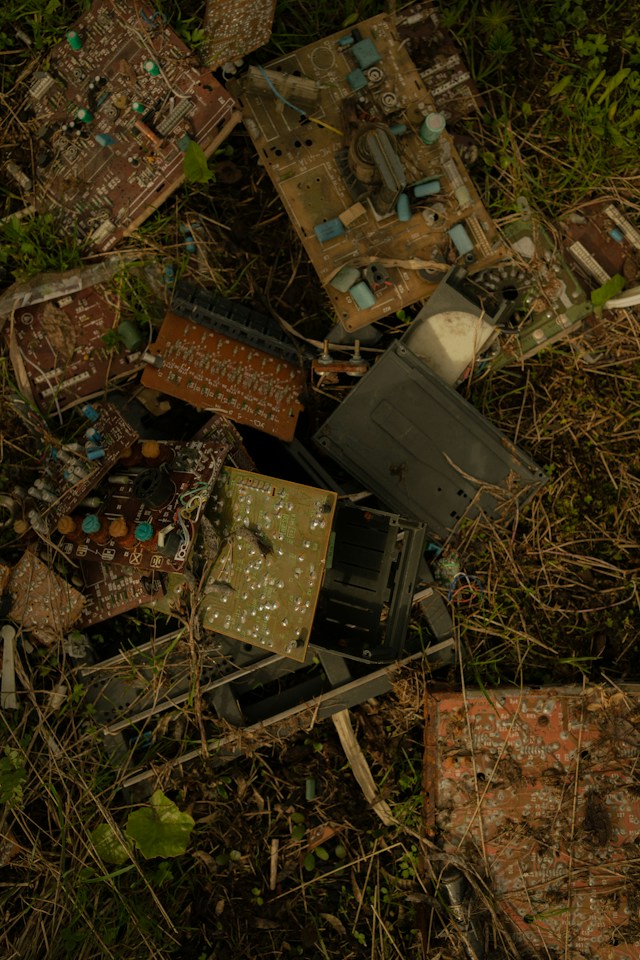
Our earlier post on the technical challenges of e-waste explained two problems that make recycling difficult. The first is material heterogeneity: one product mixes several plastics, metals and other materials that have to be separated before any of them can be recycled. The second is tightly fused components: parts are glued or soldered together rather than screwed, so they do not come apart cleanly. Fast tech packs both problems into a very small device. An earbud holds a battery, a circuit board and a plastic casing in something the size of a thumb, so it is hard to open, and each unit yields very little material for the effort.
“Fast tech is extremely difficult to recycle, not just because of multiple materials in one small device, but because the parts are glued together to make them smaller and use different types of plastics. It is also difficult to separate them: ideally you would have one box of earbuds, for example, and that would already be progress, but that is not the case.”
Pascal Leroy, Director General, WEEE Forum
Three further constraints came up in the session. The market is spread across many brands, so the bill of materials, the list of what a product contains, is often unknown. Unlike televisions, where knowing the brand tells you broadly what is inside and lets brands be routed to different lines, these devices cannot be segregated that way. And devices such as smartwatches are tedious to open, which means manual dismantling continues only as long as it makes financial sense. A battery is built into almost any tiny device, and WEEE Forum reports that 36% of e-waste operators experienced a battery-related fire at their facilities in the past year.
The session was a part of Karo Sambhav’s Circular Economy Knowledge Series, held with WEEE Forum, the organisation that started International E-Waste Day. Karo Sambhav also receives a large number of these devices through its take-back programme with Aptronix, and sees the same collection and recycling difficulties first hand.
Pranshu closed the session with a view worth holding on to: the problem is difficult at every level, but it is now being recognised, and only what is recognised can be solved.
“The action can be small, but even if you can talk for a minute today to someone about e-waste, that itself is a good action. Spread the word, take tiny actions. Sometimes they may look meaningless, but they all add up.”
Pranshu Singhal, Founder, Karo Sambhav
If you have fast tech sitting at home, you can find a Karo Sambhav collection centre near you and hand it in for responsible recycling.
Karo Sambhav collaborates with leading organisations to jointly develop industry frameworks, standards, governance mechanisms, systems and processes that advance the transition to circular economy. know more about our alliances.